
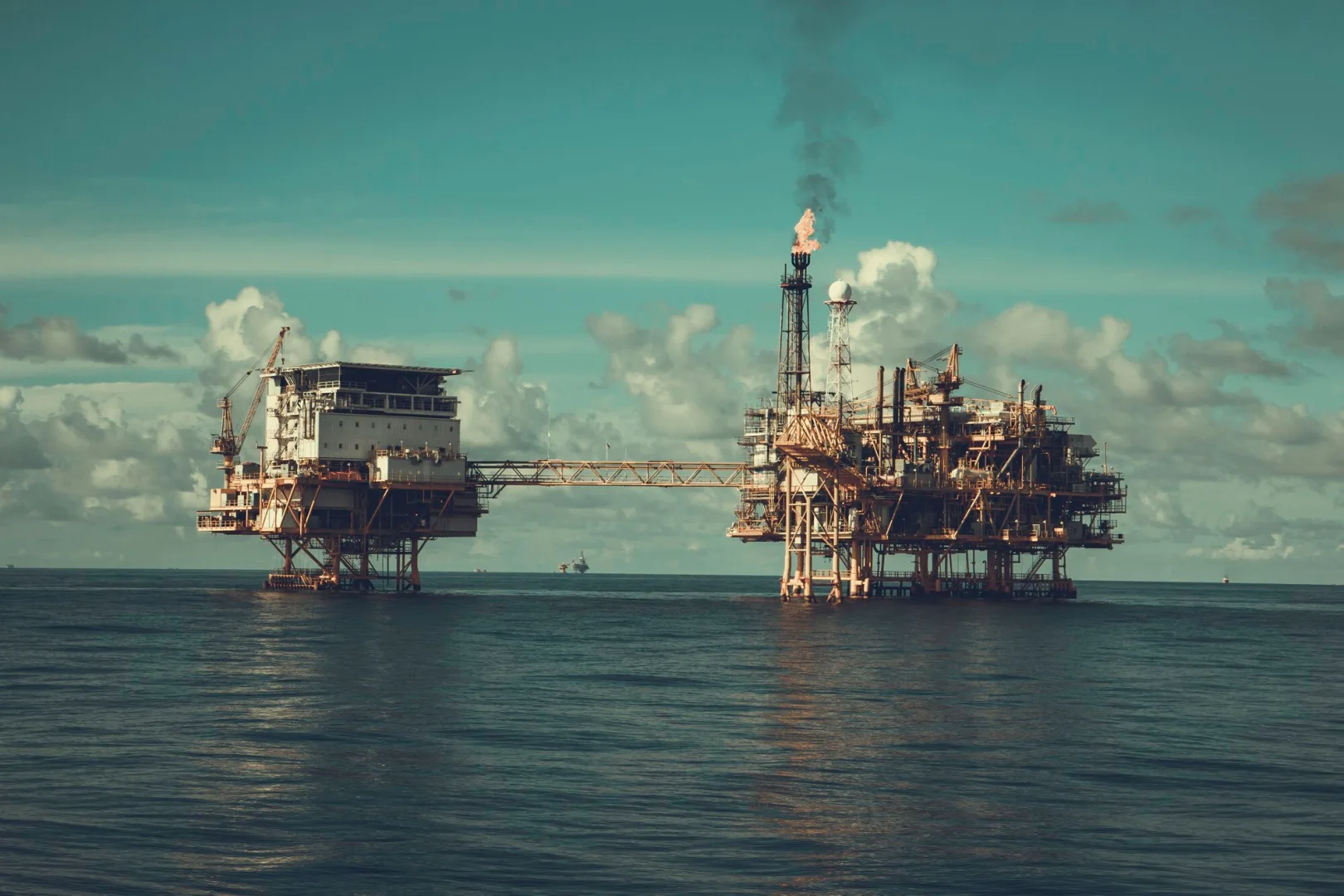
At an onshore site, a medical emergency or the start of a fire has outside help just minutes away. On an oil platform, the reality is different: the nearest hospital can be hours away by helicopter, and until rescue arrives, the crew on board is the first and only line of response. That distance from outside support completely changes what "safe work" means in an offshore environment.
NR-37 regulates safety and health at work on oil platforms in Brazil. After years running shutdowns and maintenance on offshore platforms, we put together this guide on the pillars that keep an operation safe out at sea - and the mistakes that show up most when boarding logistics outrun procedure.
WHAT MAKES A PLATFORM A UNIQUE RISK ENVIRONMENT
A platform brings together practically every industrial risk at once - confined spaces, work at height, hot work, flammable atmospheres - but with one aggravating factor no other industrial environment has: there is no "leaving the site" in an emergency. Evacuation depends on a vessel or helicopter, outside rescue response time is measured in hours, not minutes, and the crew on board must be prepared to contain a situation until help arrives. NR-37 exists to make sure that preparation doesn't depend on luck.
6 PILLARS OF NR-37 FOR PLATFORM SAFETY
An offshore operation that stays safe shift after shift follows the same fundamentals:
Specific Occupational Health (Offshore Medical Clearance)
A stricter medical exam than the standard industrial check-up, accounting for isolation, physical demands, and the lack of immediate medical care on board.
Safe Boarding and Transport
Specific survival training and boarding/disembarking procedures by helicopter or vessel, including the use of flotation equipment.
Emergency Response and Abandonment
Documented and drilled platform abandonment procedures, with periodic drills for the entire crew on board, not just the safety team.
Integrated Work Permit
Formal authorization that cross-checks each activity's specific risks against that day's conditions on board, revalidated every shift.
Toxic Gas Exposure
Continuous atmosphere monitoring, with special attention to hydrogen sulfide (H2S), which can be lethal at concentrations undetectable by smell.
Basic Offshore Safety Training
Mandatory training before the first boarding, covering sea survival, basic firefighting, and first aid.
WHY OFFSHORE OCCUPATIONAL HEALTH IS DIFFERENT
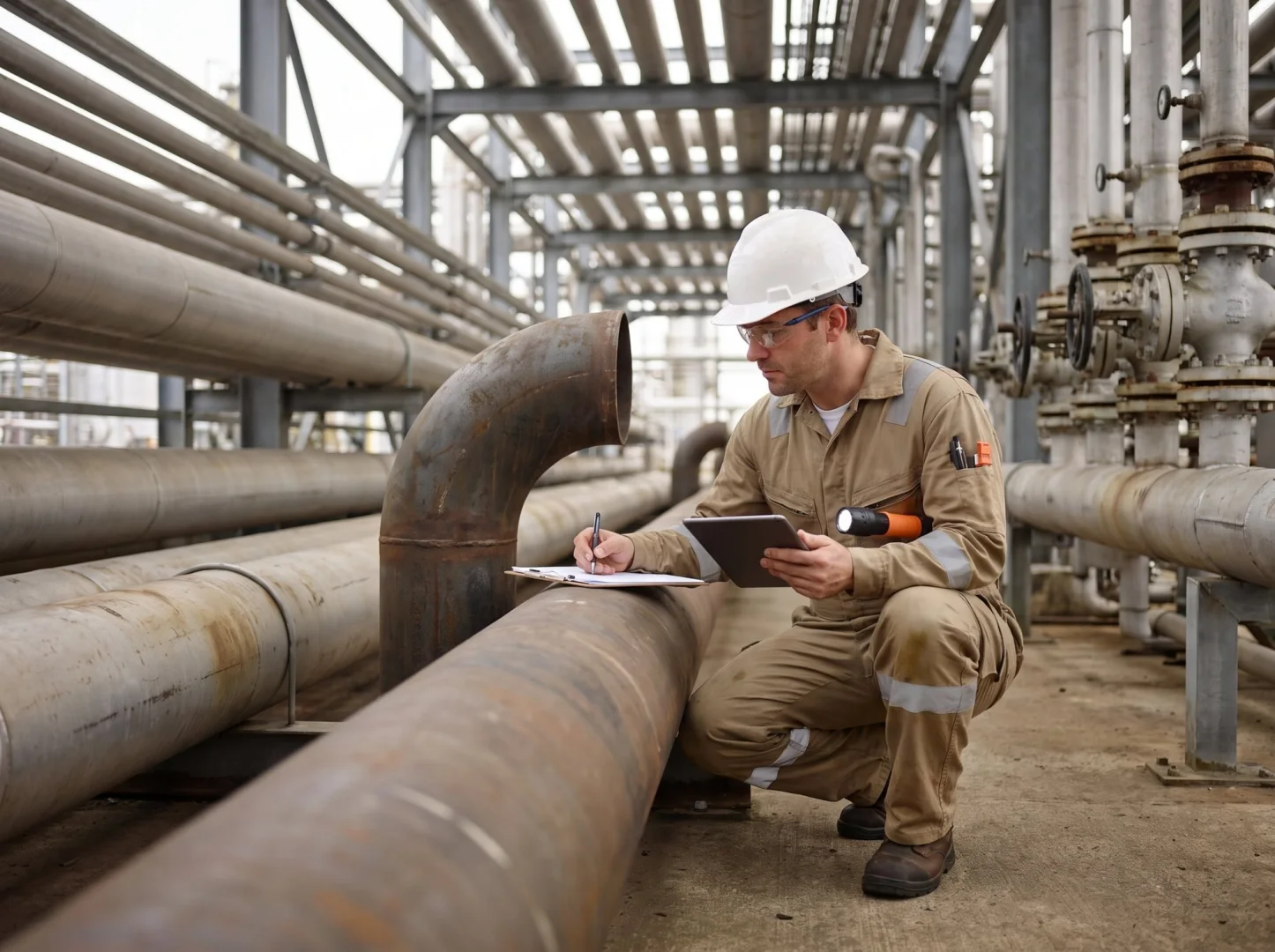
The admission and periodic exam for platform workers goes beyond the standard industrial check-up: it assesses cardiovascular fitness, the ability to swim and use survival equipment, and also psychological fitness for handling isolation and confined spaces over extended periods. This requirement exists because a health issue that would be simple to resolve onshore - a hypertensive crisis, an injury requiring daily follow-up - becomes a real logistical emergency when the only way off the platform is waiting for the next helicopter window.
COMMON MISTAKES IN OFFSHORE SAFETY
- Abandonment drills treated as a formality - repeating the same script without truly testing the crew's reaction, missing the chance to spot real evacuation bottlenecks
- Spot-check H2S monitoring instead of continuous - measuring the atmosphere only at the start of the shift, when gas concentration can change quickly during the activity
- Medical clearance treated as mere boarding paperwork - not reporting symptoms for fear of missing the rotation, postponing a health issue that only gets worse in isolation
- Work permit issued without considering the day's conditions - authorizing work at height or a boarding operation without reviewing that specific shift's wind and sea conditions
- New crew without up-to-date basic training - boarding a professional with an expired survival certification, assuming "already done it before" replaces mandatory refresher training
OFFSHORE SAFETY STARTS IN SHUTDOWN PLANNING
Much of what NR-37 requires - work permits, atmosphere monitoring, coordination between fronts - needs to be built into the planning phase of a shutdown, not improvised after the crew is already on board. We detail how to structure that planning without delays in the guide below.
CONCLUSION
Safety on an oil platform isn't about reacting well to an emergency - it's about recognizing, before any shift begins, that outside support is hours away and the crew itself is the first line of response. NR-37 exists to turn that reality into documented, trained procedure, not improvisation the moment something goes wrong.
Frequently Asked Questions
It is the Brazilian regulatory standard covering safety and health at work on oil platforms - it ranges from the specific medical exam to emergency response and platform abandonment procedures.
Because it assesses cardiovascular fitness, the ability to swim and use survival equipment, and psychological fitness for isolation - a health emergency on a platform doesn't have the same immediate access to care that exists onshore.
Because hydrogen sulfide concentration can change quickly during the activity, and it is undetectable by smell at already dangerous levels - a single measurement at the start of the shift doesn't guarantee safety throughout the operation.
NR-37 requires periodic drills for the entire crew on board, not just the safety team - the exact frequency depends on the type of installation, but the goal is to keep emergency response tested and current, not a one-off formality.
Work permits, atmosphere monitoring, and coordination between fronts need to be built into the initial shutdown schedule - improvising these requirements after the crew has already boarded increases risk and usually delays the operation.